
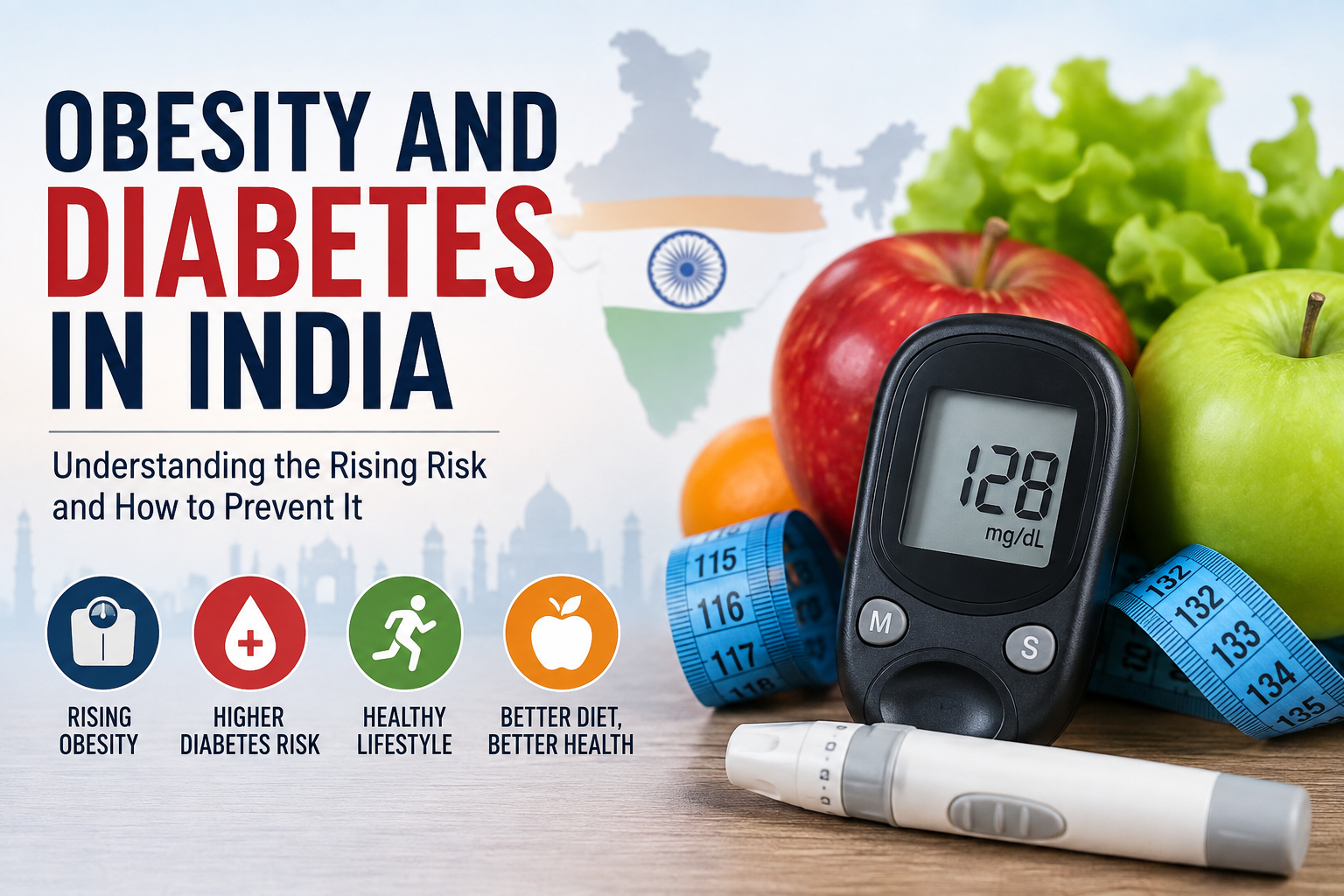

India is facing a growing challenge from overweight and obesity across age groups, from young children and adolescents to adults. The concern extends beyond body weight itself because excess body fat is associated with a higher risk of several noncommunicable diseases, including type 2 diabetes, cardiovascular disease and hypertension. UNICEF India reported in September 2025 that overweight and obesity had increased substantially among children, adolescents and adults, highlighting the need for healthier food environments and stronger prevention efforts.
The relationship between obesity and diabetes in India is complex. Genetics, age, family history, diet, physical activity, sleep, socioeconomic conditions and the wider food environment can all influence diabetes risk. Body size alone does not determine whether someone will develop diabetes, so conversations about prevention should focus on health rather than blame or stigma.
Why Obesity and Diabetes Are Becoming Major Concerns in India
Rising overweight and obesity across age groups
Data highlighted by UNICEF show a substantial increase in overweight and obesity among different age groups in India. Among children under five, the prevalence increased from 1.5% in NFHS-3 (2005–06) to 3.4% in NFHS-5 (2019–21). UNICEF also reported increases among adolescent girls and boys and among adult women and men during the corresponding NFHS periods.
These changes matter because health risks can accumulate over the life course. The World Health Organization notes that overweight and obesity are associated with a higher risk of conditions including type 2 diabetes and cardiovascular disease. Childhood and adolescent obesity are also associated with an increased likelihood of obesity and related noncommunicable diseases later in life.
India is also dealing with what is often described as a double or triple burden of malnutrition. Undernutrition, micronutrient deficiencies and overweight or obesity can coexist within the same population, household or even individual. This makes nutrition policy more complicated than simply telling everyone to eat less.
Diabetes is part of a wider metabolic health problem
Diabetes does not develop because of one food or one lifestyle habit. Type 2 diabetes occurs when the body cannot use insulin effectively and, over time, the pancreas may not be able to produce enough insulin to keep blood glucose within a healthy range. Excess body fat can contribute to insulin resistance, but other factors, including genetics and family history, are also important.
The broader pattern is recognized by WHO, which identifies overweight and obesity, raised blood glucose, high blood pressure and abnormal blood lipids as interconnected metabolic risk factors for noncommunicable diseases. Unhealthy diets and insufficient physical activity can contribute to these risks, while social and commercial environments can influence everyday choices.
How Obesity Can Increase Type 2 Diabetes Risk
Understanding insulin resistance
Insulin helps glucose move from the bloodstream into cells, where it can be used for energy. When the body’s tissues become less responsive to insulin, the pancreas may compensate by producing more insulin. If this compensation is no longer sufficient, blood glucose can rise and eventually reach levels consistent with prediabetes or type 2 diabetes.
Excess body fat, particularly when associated with metabolic dysfunction, can contribute to insulin resistance. The ICMR-National Institute of Nutrition’s Dietary Guidelines for Indians explain that obesity is associated with insulin resistance, abnormal glucose levels and an increased risk of diabetes.
Why prevention should start early
Health patterns established during childhood and adolescence can influence later health, but prevention should never involve restrictive dieting or criticism of a child’s body. Children need sufficient energy and nutrients for growth and development, and their nutritional needs differ from those of adults.
A healthier approach focuses on the whole environment: nutritious meals, regular physical activity, adequate sleep, fewer sugary drinks and sensible access to highly processed foods. WHO notes that childhood and adolescent obesity is associated with increased risk of earlier noncommunicable diseases, including type 2 diabetes.
Children and Adolescents Are Increasingly Affected
Changing food environments
UNICEF has highlighted the increasing availability and marketing of fast foods, ultra-processed foods and beverages high in fat, sugar and salt. Its 2025 India release also reported substantial exposure of young people to food advertising, particularly through social media, the internet and television.
Food choices are therefore influenced by more than individual preference. Price, convenience, availability, advertising, family routines, school environments and neighbourhood food options can all shape what young people eat. Addressing childhood obesity and future diabetes risk consequently requires changes at multiple levels rather than placing responsibility entirely on children.
Physical activity matters too
Modern routines can make regular movement more difficult. Schoolwork, commuting, screen-based entertainment and other sedentary activities can reduce the amount of time children and adolescents spend being physically active.
Regular age-appropriate physical activity supports cardiovascular fitness, metabolic health, bone health and psychological wellbeing. The goal should not be to make young people exercise to change their appearance, but to help them build enjoyable, sustainable habits that support health throughout life.
How Diet Can Influence Diabetes Risk
Focus on food quality rather than a single nutrient
A balanced diet is more useful than concentrating on one ingredient or declaring individual foods completely good or bad. ICMR-NIN’s Dietary Guidelines for Indians encourage meals containing vegetables, whole grains, pulses and beans while recommending limiting foods high in sugar and highly processed products.
For families, practical changes can include eating a wider variety of vegetables and pulses, choosing minimally processed foods more often and limiting sugar-sweetened beverages. Traditional Indian meals can provide many nutritious options when they include a good variety of vegetables, legumes, whole grains and other nutrient-rich foods.
Ultra-processed foods deserve attention
UNICEF’s 2025 report highlighted the increasing consumption and availability of ultra-processed foods and sugar-sweetened beverages in India. These products can be convenient and heavily marketed, making them difficult to address through individual choices alone.
That does not mean every packaged food is unhealthy or that people must completely eliminate such foods. Instead, the overall dietary pattern matters. Making nutritious foods easier to access, understand and afford can help families make healthier choices without creating unnecessary fear around food.
Physical Activity, Sedentary Behaviour and Metabolic Health
Movement supports overall health
Physical activity can help the body use glucose more effectively and supports cardiovascular and metabolic health. It also provides benefits that go beyond diabetes prevention, including improved fitness, mood and daily functioning.
WHO identifies insufficient physical activity as one of the behavioural risk factors associated with noncommunicable diseases. Together with unhealthy diets, inactivity can contribute to metabolic risk factors such as overweight, high blood glucose and abnormal blood lipids.
Build sustainable family habits
Healthier routines do not need to involve extreme exercise programmes. Families can look for ordinary opportunities to move, such as walking, cycling, active games, sports or other enjoyable activities appropriate for age and ability.
For children and teenagers especially, adults can help by creating environments where movement is normal and enjoyable rather than presenting exercise as punishment for eating or as a way to change body shape. This approach supports physical and mental wellbeing while avoiding harmful attitudes toward weight.
What India Is Doing to Address the Problem
National programmes and nutrition initiatives
India has introduced several initiatives aimed at improving nutrition and physical activity, including the Fit India Movement, Eat Right India, POSHAN Abhiyan 2.0 and school-based health and wellness programmes. UNICEF has also highlighted the importance of improving food environments and strengthening nutrition education.
The ICMR-NIN Dietary Guidelines provide additional guidance on balanced diets and prevention of obesity-related health problems. They emphasize vegetables, whole grains, pulses and beans while advising people to limit excessive sugar and highly processed foods.
Policy can influence everyday choices
Preventing obesity and diabetes cannot depend entirely on individual decisions. UNICEF’s India roundtable called attention to measures such as clearer front-of-pack nutrition information, restrictions on unhealthy food marketing and policies designed to make healthier choices easier.
WHO similarly emphasizes that social, commercial and physical environments influence dietary and physical-activity behaviours. This means schools, workplaces, communities, food manufacturers, policymakers and families can all have a role in creating healthier environments.
What Families Can Do to Support Better Health
Create healthier eating routines
Families can begin with practical habits rather than drastic diets. Regular meals containing vegetables, pulses, whole grains and other nutritious foods can provide a broad range of nutrients. Water can be the usual drink, while sugary drinks and highly processed snack foods can be kept as occasional choices rather than everyday staples.
Children and teenagers should not be placed on restrictive weight-loss diets without appropriate professional guidance. Their bodies are still developing, so nutrition advice should account for growth, development and individual needs.
Encourage activity without focusing on appearance
Physical activity can be incorporated into everyday life through walking, outdoor play, sports, dancing, cycling or other activities that a person enjoys. Families can also reduce prolonged sedentary periods by building movement breaks into daily routines.
The purpose should be health, energy, strength and wellbeing—not achieving a particular appearance. A supportive environment is especially important for young people because weight-based teasing and stigma can negatively affect psychological wellbeing.
Obesity and Diabetes Prevention Should Avoid Stigma
Body weight is only one part of health
It is important to avoid treating obesity as a simple matter of personal responsibility. Genetics, hormones, medications, sleep, stress, socioeconomic circumstances, food availability and the built environment can all influence weight and metabolic health.
Similarly, a person with a larger body does not automatically have diabetes, while someone who appears lean can also develop type 2 diabetes. Health screening and professional assessment are therefore more meaningful than judging diabetes risk by appearance.
Focus on prevention and access to care
People at increased risk of type 2 diabetes may benefit from discussing screening and lifestyle factors with a healthcare professional. Those who already have diabetes should follow an individualized treatment plan rather than attempting to manage the condition through weight loss alone.
For children and adolescents, parents and caregivers should seek professional advice if they are concerned about growth, nutrition or metabolic health. A paediatrician or qualified healthcare professional can assess growth patterns appropriately rather than relying on adult weight-loss concepts.
Frequently Asked Questions
Is obesity linked to diabetes in India?
Yes. Overweight and obesity are associated with a higher risk of type 2 diabetes, and this relationship is an important part of India’s wider noncommunicable disease challenge. However, obesity is not the only factor involved; genetics, age, family history and other health and environmental factors also influence diabetes risk.
Can children with obesity develop type 2 diabetes?
Children and adolescents with obesity have a higher risk of developing metabolic problems, including type 2 diabetes. WHO notes that obesity during childhood and adolescence is associated with earlier onset of noncommunicable diseases. Prevention should focus on healthy growth, nutritious food, physical activity and supportive environments rather than restrictive dieting.
Does eating processed food cause diabetes?
No single food automatically causes diabetes. However, diets high in added sugars, unhealthy fats and highly processed foods can contribute to an overall dietary pattern associated with metabolic risk. ICMR-NIN recommends emphasizing nutritious foods such as vegetables, whole grains, pulses and beans while limiting excessive sugar and highly processed foods.
How can families reduce diabetes risk?
Families can support healthier habits by eating a varied, nutritious diet, choosing water more often than sugary drinks, including regular physical activity and avoiding prolonged sedentary routines. Adults should also discuss appropriate diabetes screening with a healthcare professional when risk factors are present.
The Bigger Picture: Preventing Diabetes Without Blame
The rise in obesity and diabetes in India is not simply a story about individual food choices or body weight. India’s changing food environment, increasing availability of highly processed products, physical inactivity and broader social conditions are all part of the picture. UNICEF’s 2025 findings show why prevention needs to begin early and involve families, schools, communities and policymakers.
At the same time, prevention should remain compassionate. People living with obesity or diabetes should not be blamed for their health condition, and children should never be made to feel responsible for changes in their bodies. Better nutrition, regular movement, appropriate medical care and healthier environments can support metabolic health across the life course.
India’s challenge is therefore also an opportunity to make healthier choices easier and more accessible. Strengthening nutrition education, improving food environments and supporting active lifestyles can help address multiple health risks at once. The goal is not simply to reduce numbers on a scale, but to build conditions in which children, adolescents and adults can grow, live and age with better overall health.